
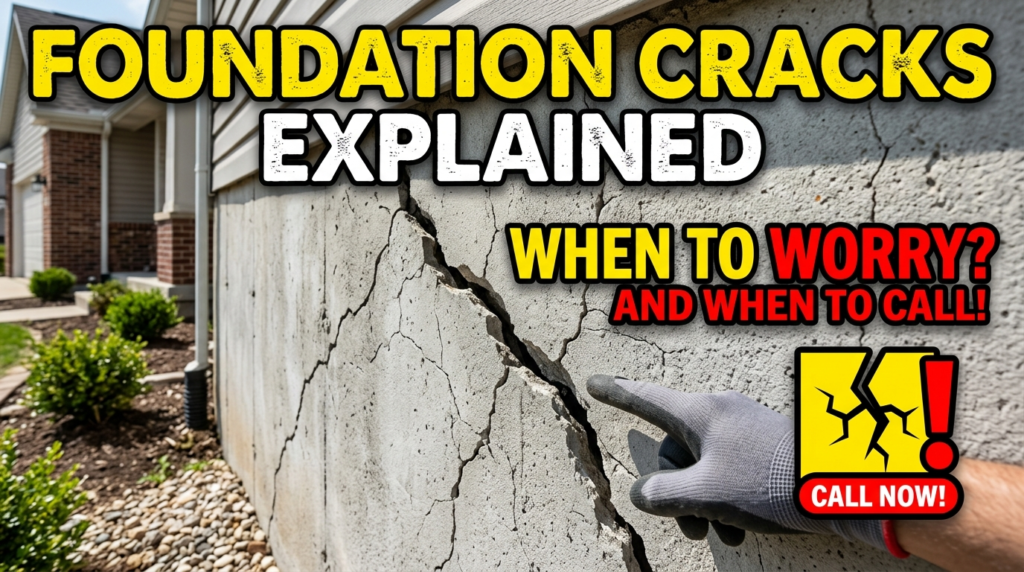
Discovering a crack in your foundation is unsettling. Is it a harmless cosmetic flaw, or the first sign of a structural problem that could threaten your home and your wallet? The truth is that not all foundation cracks are created equal. Some are completely normal and need nothing more than a watchful eye, while others demand urgent professional attention.
This guide explains the different types of foundation cracks, what causes them, the warning signs that should genuinely concern you, and exactly when to call a structural engineer. By the end, you will know how to read the cracks in your own home with confidence.
Why Foundations Crack in the First Place
Foundations crack for a range of reasons, and understanding the cause is the first step to judging the severity. Common culprits include:
- Concrete curing and shrinkage, which produces minor cracks within the first year as the material settles
- Soil movement, including expansive clay soils that swell and shrink with moisture changes
- Settlement, where the ground beneath the foundation compresses unevenly over time
- Hydrostatic pressure from water building up against foundation walls
- Poor drainage that saturates the soil around the foundation
- Tree roots, frost heave, or seismic activity depending on your region
Some movement is inevitable and expected. The question is whether the movement has stopped, or whether it is ongoing and worsening.
Types of Foundation Cracks and What They Mean
Hairline Cracks (Usually Harmless)
Thin, shallow cracks less than about 1/16 inch wide are typically the result of normal concrete shrinkage during curing. They are most common in newer homes and rarely indicate a structural problem. Monitor them, but they usually need no more than cosmetic sealing.
Vertical Cracks (Often Minor)
Vertical or near-vertical cracks usually result from settlement or shrinkage and are generally the least concerning type. If they stay narrow and stable, they are often manageable with a basic sealant to prevent water intrusion. Keep an eye on any that widen over time.
Diagonal Cracks (Watch Closely)
Cracks running at roughly a 30-to-75-degree angle often point to differential settlement, meaning one part of the foundation is sinking faster than another. These warrant closer monitoring, and if they are wider than about 1/8 inch or growing, they justify a professional assessment.
Horizontal Cracks (Serious — Call a Professional)
Horizontal cracks are the most concerning type. They typically signal excessive lateral pressure from soil or water pushing against the foundation wall, and they can indicate a wall that is beginning to bow or fail. Horizontal cracks should always be evaluated by a structural engineer promptly.
Stair-Step Cracks (Depends on Width)
Common in block or brick foundations, these cracks follow the mortar joints in a staircase pattern. Narrow stair-step cracks may be cosmetic, but wide ones, especially with displacement between blocks, suggest significant settlement or pressure and need professional review.
Warning Signs That Mean “Call a Professional Now”
A crack rarely tells the whole story on its own. The bigger picture matters. Contact a structural engineer if you notice any of the following:
- Cracks wider than 1/4 inch, or that you can fit a coin into
- Horizontal cracks of any size
- Cracks that are actively widening over weeks or months
- Water leaking through foundation cracks
- Doors and windows that stick or no longer close properly
- Sloping or uneven floors
- Gaps between walls and the ceiling or floor
- Bowing or bulging foundation walls
- Cracks accompanied by cracks in interior drywall, especially above doorways
When cracks appear alongside these symptoms, the issue is likely structural rather than cosmetic, and early intervention almost always costs far less than waiting.
When You Can Probably Relax
Not every crack is an emergency. You can generally take a measured, monitor-and-seal approach when:
- The crack is hairline or thin (under 1/16 inch) and vertical
- It is not growing when you check it over time
- There is no water intrusion
- Doors, windows, and floors are all behaving normally
- The home is relatively new and still settling
A simple way to monitor is to mark the ends of a crack with a pencil and date it, or place a small piece of tape across it. If it stays put over several months, it is likely stable. If it moves, it is time to call a professional.
How a Structural Engineer Assesses Foundation Cracks
A qualified structural engineer does far more than glance at the crack. The assessment typically includes measuring crack width and tracking movement, evaluating soil and drainage conditions, checking for displacement and wall bowing, identifying the root cause, and recommending a specific repair strategy. Crucially, an engineer provides an independent evaluation, unlike a repair contractor who may have an incentive to recommend extensive work.
Repair solutions vary widely depending on the diagnosis, from simple epoxy or polyurethane injection for minor cracks, to carbon fiber reinforcement, wall anchors, underpinning, or piering for serious settlement. The right fix depends entirely on getting the diagnosis right first.
Don’t Guess With Your Foundation
Your foundation supports everything above it, so when in doubt, it is always worth getting a professional opinion rather than gambling on a guess. A proper structural assessment gives you clarity, a documented action plan, and peace of mind, and it can save you from a far more expensive repair down the line.
If you have noticed a crack and you are unsure how serious it is, I can help. I provide structural assessments, foundation and crack analysis, repair recommendations, and clear engineering drawings for clients across the USA and Europe, along with 3D modeling to visualize repairs before work begins.
Concerned about a crack in your foundation? Send me photos and details and I’ll help you understand what you’re dealing with. You can [hire me on Fiverr or Upwork], or message me directly through [558consultants.com] for a professional structural opinion. Don’t let a small crack become a big problem.
Frequently asked questions:
Are foundation cracks normal? Yes, many are. Thin vertical and hairline cracks from concrete shrinkage are common and usually harmless. Horizontal, widening, or leaking cracks are the ones to worry about.
When should I worry about a foundation crack? Be concerned if a crack is horizontal, wider than 1/4 inch, actively growing, leaking water, or accompanied by sticking doors, sloping floors, or bowing walls.
How much does foundation crack repair cost? It varies enormously, from inexpensive sealant for minor cracks to substantial sums for underpinning or wall stabilization. A structural assessment first ensures you only pay for the repair you actually need.
Can I repair a foundation crack myself? Minor, stable hairline cracks can often be sealed by a homeowner. Any crack with the warning signs above should be evaluated by a structural engineer before any repair is attempted.
